Skip to content

Intakes available 24/7 · +27 79 465 4556

Author: Journey_Joburg

  • Addiction in the Family: Boundaries, Enabling and Recovery Support in Johannesburg

    Addiction may be experienced in one person’s body, but its consequences seldom remain contained there.

    Over time, a family can begin organising itself around uncertainty.

    People learn to listen for changes in tone. They become alert to unexplained absences, financial problems, shifts in mood and promises that have been made before. Conversations become cautious or confrontational. Some relatives take over responsibilities. Others withdraw. One person may spend years trying to rescue the situation, while another becomes consumed by anger.

    By the time someone enters addiction treatment, the family is often exhausted.

    This is why effective addiction treatment cannot always focus exclusively on stopping substance use. Recovery also unfolds within relationships that may have been shaped by fear, deception, crisis and repeated disappointment.

    For families seeking addiction treatment in Johannesburg and across Gauteng, one of the most important lessons is that the person entering treatment is not the only one who has been affected.

    The family may also need to understand what has happened to them, how they have adapted and which patterns now need to change.

    How Addiction Reorganises a Family

    How Addiction Reorganises a Family

    Families adapt to what they live with.

    When addiction creates repeated instability, those adaptations can become powerful.

    One family member may become responsible for managing every crisis.

    Another may try to control the person’s behaviour.

    Someone else avoids conflict completely.

    A partner may begin checking constantly because earlier reassurances proved unreliable.

    A parent may repeatedly solve financial or legal problems because the alternative feels unbearable.

    These responses develop for understandable reasons.

    Families are often trying to prevent something worse from happening.

    The problem is that survival strategies can become permanent ways of relating.

    The more one person takes over responsibility, the less responsibility may remain with the person struggling with addiction.

    The more a relationship becomes organised around surveillance, the harder ordinary communication becomes.

    The more every crisis is contained privately, the longer the family may remain isolated from meaningful support.

    Family systems approaches to addiction treatment examine these interaction patterns rather than treating substance use as though it exists separately from the relationships around it.

    This does not mean that families cause addiction.

    It means that addiction changes the environment around it, and that environment may also need attention during recovery.

    Why Treatment Does Not Instantly Restore Trust

    Why Treatment Does Not Instantly Restore Trust

    A difficult tension often develops during early recovery.

    The person in treatment may feel that they are finally making changes.

    They are sober.

    They are attending therapy.

    They are beginning to understand their behaviour.

    They may be making genuine efforts for the first time in years.

    The family, however, may still be waiting for the next crisis.

    This can create conflict on both sides.

    The person in recovery feels permanently judged by the past.

    The family feels pressured to trust before they are ready.

    Neither position is difficult to understand.

    Trust is not restored because treatment has started. It is rebuilt through experience.

    That experience may include honesty when something is going wrong, consistency in continuing care, accountability around finances, respect for agreed boundaries and behaviour that remains stable over time.

    The family also has work to do here.

    Concern needs to become more precise.

    There is a difference between noticing specific warning signs and treating every difficult emotion as evidence of relapse.

    A person in recovery will still become angry, frustrated, tired or withdrawn at times.

    Recovery does not remove the ordinary emotional range of being human.

    Questions become more useful when they begin with observation rather than accusation.

    For example:

    “I have noticed that you have stopped attending your support meetings and have been isolating yourself. I am concerned about what has changed.”

    That creates a very different conversation from:

    “You are behaving strangely again. You must be using.”

    Families do not need to become passive or ignore concerns.

    They need ways of responding that do not turn the home into a permanent investigation.

    Control, Enabling and Boundaries Are Not the Same Thing

    Control, Enabling and Boundaries Are Not the Same Thing

    Families affected by addiction can become trapped between two extremes.

    One is control.

    The other is rescue.

    Control tries to manage another adult’s recovery through monitoring, threats, interrogation or constant intervention.

    Rescue repeatedly removes responsibility from the person with the addiction.

    Neither creates sustainable recovery.

    Enabling is often misunderstood as kindness.

    It is more useful to think about whether a particular action repeatedly protects harmful behaviour from consequences or makes continued addiction easier to maintain.

    This might include lying to an employer, repeatedly providing money despite knowing where it is going, settling debts without any change in behaviour, or concealing the severity of the problem from people who could help.

    These actions are often driven by fear rather than indifference.

    A family member may think:

    What if they become homeless?

    What if they hurt themselves?

    What if refusing money makes things worse?

    What if I could have prevented the next disaster?

    This is why families need more than instructions to “stop enabling”.

    They need help tolerating the anxiety that can arise when they stop managing consequences for another adult.

    Boundaries provide a different approach.

    A boundary does not attempt to control someone else’s behaviour.

    It clarifies what the family member themselves will or will not participate in.

    For example:

    “I will help you access treatment, but I will not lie about what is happening.”

    “I will not give you cash.”

    “I will not remain in a conversation where there are threats or violence.”

    “You cannot live in this home while actively using substances.”

    “If there is a medical emergency, I will contact emergency services rather than trying to manage it alone.”

    A healthy boundary is not punishment.

    It is a clear statement about safety, responsibility and participation.

    For families looking for addiction rehabilitation in Johannesburg, learning this distinction can be one of the most valuable parts of the treatment process.

    What Family Involvement in Treatment Should Actually Do

    Family involvement does not mean that relatives take control of the clinical process.

    It does not mean that they receive a report on every therapy session.

    It also does not mean that the person in treatment is protected from hearing how their behaviour has affected other people.

    Good family work requires balance.

    Families may need education about addiction, recovery, relapse risk and continuing care.

    They may need guidance in setting boundaries.

    Some relationships may require structured conversations around trust, communication and accountability.

    The family may also need space to speak about its own experience.

    That matters because relatives often arrive at treatment with complicated emotions.

    Love may exist alongside anger.

    Hope may exist alongside distrust.

    Relief may exist alongside guilt.

    A parent can desperately want their child to recover while also feeling exhausted by years of crisis.

    A partner can support treatment while remaining unsure whether the relationship itself can be repaired.

    Family involvement should not require people to pretend that these contradictions do not exist.

    Research into family-based addiction treatment has found that appropriate family involvement can support treatment engagement and improve outcomes in certain populations and contexts. Approaches such as Community Reinforcement and Family Training also help relatives change how they respond to substance-related behaviour while improving their own coping.

    The purpose is not to create a perfect family.

    It is to develop a more informed one.

    A family that understands addiction can respond differently from one governed entirely by fear.

    A family that recognises the difference between support and rescue has more choices.

    A family that can identify its own patterns is better placed to change them.

    The Return Home Needs More Than Hope

    The transition from residential addiction treatment back into everyday life is significant.

    Inside treatment, there is structure.

    There are scheduled therapeutic processes, professional support, routine and distance from many of the environments associated with active addiction.

    Home is different.

    There are relationships, responsibilities, conflict, work pressures, financial concerns and familiar emotional triggers.

    This is why discharge planning matters.

    Before returning home, important questions should be discussed.

    What does continuing care look like?

    What recovery support will continue?

    How will finances be managed?

    What boundaries exist around substance use?

    How should concerns be raised?

    What happens if agreed recovery structures are abandoned?

    Who should be contacted if there are warning signs?

    What constitutes an emergency?

    Clarity can prevent families from returning immediately to old patterns.

    Without a plan, fear may lead back to constant checking.

    Guilt may lead back to rescuing.

    The person in recovery may interpret all boundaries as rejection.

    The family may interpret any request for independence as danger.

    For people seeking residential addiction treatment in Johannesburg or Gauteng, the quality of treatment should therefore be considered not only in terms of what happens during admission.

    The transition back into ordinary life is part of recovery.

    Treatment must prepare for that reality.

    The Family Needs a Recovery Process Too

    Families are often told what they should do for the person in recovery.

    Support them.

    Encourage them.

    Attend family sessions.

    Learn about addiction.

    Maintain boundaries.

    All of this can be valuable.

    But a family’s own recovery cannot consist entirely of becoming better at managing someone else.

    At some point, relatives may need to ask:

    What has happened to my own life during these years?

    How much of my time has been spent watching, preventing and anticipating?

    Which responsibilities did I take on that were never mine?

    What am I frightened will happen if I stop controlling the outcome?

    What anger have I never processed?

    What has this done to my relationships with other people?

    What do I need, separate from the person in treatment?

    These questions are not selfish.

    They are part of restoring a family system in which one person’s addiction no longer occupies every emotional space.

    For some families, this may involve therapy.

    For others, family support groups, psychoeducation or structured guidance may be helpful.

    Some relatives may need to learn how to live with uncertainty without immediately moving into control.

    Others may need to become more direct after years of silence.

    Some may need to stop sacrificing their own financial or emotional safety.

    There is no single family response to addiction.

    The work depends on what each family has lived through and how it has adapted.

    Addiction Treatment in Johannesburg Must Look Beyond the Individual

    At Journey Recovery & Wellness Centre in Johannesburg, addiction treatment recognises that the person entering treatment has responsibility for their own recovery.

    No parent, partner, sibling or child can recover on their behalf.

    The family cannot guarantee sobriety.

    It cannot control every future decision.

    It cannot remove all risk.

    But the family environment can become more honest, more informed and less reactive.

    Family members can learn how to communicate concern without constant accusation.

    They can develop boundaries without using them as threats.

    They can stop confusing rescue with support.

    They can recognise that trust is rebuilt through consistent behaviour rather than demanded through promises.

    They can begin recovering parts of their own lives that have been consumed by crisis.

    The person in treatment has important work ahead.

    They may need to confront the function of the addiction, take responsibility for harm, develop new coping strategies and create a continuing-care plan that extends beyond the treatment centre.

    The family’s work is different.

    It is to understand how addiction has affected them, what patterns developed in response and which of those patterns can no longer continue.

    Recovery does not ask families to forget what happened.

    It asks them to stop allowing the past to control every present interaction.

    There must be room for accountability.

    There must also be room for change to become visible.

    There must be boundaries.

    There must also be a life beyond monitoring whether another person will keep them.

    For a family that has spent years living from one crisis to the next, this may be one of the most difficult parts of recovery:

    learning that love does not require constant control, and that supporting another person’s recovery must eventually include reclaiming a life of one’s own.


  • What Addiction Treatment Really Involves: A Guide to Residential Rehab in Johannesburg

    People do not usually begin addiction treatment at a neutral point in their lives.

    Something has brought them there.

    Sometimes the consequences are visible: a relationship has ended, employment is at risk, finances have become unstable, health has deteriorated or the family has reached a point at which it can no longer continue as before.

    At other times, the crisis is less visible.

    A person may still be working, maintaining appearances and fulfilling enough responsibilities to convince themselves that things remain manageable. Yet privately, life has become organised around substances, compulsive behaviour, concealment, recovery from use and the effort required to appear functional.

    There may have been attempts to stop.

    Promises made privately.

    Rules created and then abandoned.

    Periods of control followed by escalation.

    Growing awareness that the problem is no longer responding to intention alone.

    This is often the point at which treatment enters the conversation.

    Yet many people arrive with an incomplete understanding of what addiction treatment is meant to do.

    Residential treatment is not simply a period of separation from alcohol, drugs or compulsive behaviour. Abstinence within a protected environment may create an important beginning, but treatment has a wider task.

    It must assess.

    Stabilise.

    Understand.

    Challenge.

    Teach.

    Observe.

    Support.

    Prepare.

    And, where possible, help a person begin building the capacities required to live differently when the protected treatment environment is no longer around them.

    For individuals and families considering addiction treatment in Johannesburg or residential rehabilitation in Gauteng, it helps to understand the difference between entering a treatment centre and participating in treatment.

    The first is an event.

    The second is a process.

    Treatment Begins With Understanding What Is Actually Happening

    Treatment Begins With Understanding What Is Actually Happening

    Before meaningful treatment can take place, there must be some understanding of the person entering it.

    This sounds obvious, but addiction can easily become the only visible feature of someone’s clinical picture.

    A person drinks.

    Uses cocaine.

    Misuses medication.

    Uses opioids.

    Gambles compulsively.

    Relapses repeatedly.

    The temptation is to treat the presenting behaviour as though it tells us everything we need to know.

    It does not.

    Comprehensive addiction assessment may need to consider the pattern and severity of substance use, withdrawal risk, physical health, psychiatric symptoms, previous treatment, relapse history, trauma exposure, medication, family circumstances, living environment, occupational pressures and existing recovery resources.

    The American Society of Addiction Medicine describes addiction treatment planning as a multidimensional process rather than a one-size-fits-all decision. Its framework considers the whole person and uses comprehensive biopsychosocial assessment to inform treatment needs and level-of-care recommendations.

    This matters because two people using the same substance may require very different treatment responses.

    One person may need medically supervised withdrawal management.

    Another may have significant depression or anxiety requiring concurrent assessment.

    Someone else may have a history of repeated relapse after brief periods of abstinence.

    Another person may be returning to a living environment where substance use is common and recovery support is limited.

    Effective treatment begins by resisting the assumption that the addiction tells the whole story.

    The substance matters.

    The person using it matters too.

    Stabilisation Creates the Conditions for Treatment, but It Is Not the Whole of Treatment

    Stabilisation Creates the Conditions for Treatment, but It Is Not the Whole of Treatment

    For some substances and patterns of use, stopping suddenly can involve significant withdrawal symptoms and medical risk.

    In these circumstances, withdrawal management and appropriate medical care may be necessary before or alongside the broader therapeutic process.

    This phase is important.

    It should not be confused with the completion of addiction treatment.

    The fact that a substance has left the body does not explain why a person repeatedly returned to it.

    It does not automatically change established coping patterns.

    It does not resolve relationship difficulties.

    It does not teach emotional regulation.

    It does not address the environments, beliefs, habits and triggers connected to repeated use.

    It does not, by itself, create a sustainable recovery life.

    International treatment standards published by the World Health Organization and United Nations Office on Drugs and Crime describe effective treatment through a broader biopsychosocial framework that can include medical and psychosocial interventions, rehabilitation and continuing support.

    This distinction is important for anyone entering a rehab centre in Johannesburg.

    The first relief of becoming physically stable can be significant.

    Sleep may begin to return.

    Appetite may improve.

    The immediate cycle of obtaining, using and recovering from substances may be interrupted.

    But once some stability exists, another question becomes possible:

    What must change so that the same life does not simply resume after discharge?

    That is where deeper treatment begins.

    There Is No Single Therapy Called “Rehab”

    There Is No Single Therapy Called “Rehab”

    The word rehab is often used as though it describes one standard intervention.

    It does not.

    Addiction treatment may involve a combination of approaches depending on the person’s needs, the substance involved, co-occurring conditions, clinical risk and the treatment setting.

    Psychological and behavioural interventions can include individual counselling, group therapy, motivational approaches, cognitive behavioural work and other evidence-informed modalities. Medication may also form an important part of treatment for particular substance use disorders and clinical presentations.

    This is why treatment should not be reduced to accommodation, meals and keeping somebody away from substances for a fixed number of days.

    A person can be physically present in a treatment centre without meaningfully engaging in the clinical process.

    They can attend sessions while remaining psychologically absent.

    They can say what they believe the team wants to hear.

    They can complete assignments mechanically.

    They can count days until discharge without examining the life to which they intend to return.

    Treatment requires more than location.

    It requires contact with the material that sustains the problem.

    That material will differ from person to person.

    For one person, therapy may reveal a long pattern of using alcohol to manage social anxiety.

    For another, substances may be closely tied to trauma, emotional avoidance or chronic shame.

    For someone else, the addiction may be embedded in reward-seeking, social identity, impulsivity, work culture or an environment where use has become deeply normalised.

    Treatment must be curious enough to discover the difference.

    Structure Is Part of the Clinical Environment

    Structure Is Part of the Clinical Environment

    People entering residential addiction treatment sometimes struggle with structure.

    There are schedules.

    Session times.

    Group expectations.

    Sleep routines.

    Responsibilities.

    Limits around devices, movement, visitors or contact, depending on the programme and clinical context.

    For someone accustomed to organising life around immediate need, impulse or crisis, this can feel restrictive.

    But structure has a therapeutic purpose when it is applied ethically, consistently and appropriately.

    Addiction can disrupt ordinary rhythms of life.

    Sleep becomes irregular.

    Meals become secondary.

    Commitments are abandoned.

    The day is organised around obtaining a substance, using it, hiding it or recovering from its effects.

    Responsibilities are postponed until the next day and then the next.

    A structured treatment environment interrupts that rhythm.

    It introduces repetition of a different kind.

    Wake up.

    Attend.

    Participate.

    Eat.

    Rest.

    Reflect.

    Complete what was started.

    Return tomorrow.

    The significance of this can be underestimated because it looks ordinary.

    Yet sustainable recovery is built largely inside ordinary life.

    A person eventually has to wake up on a difficult morning without using.

    Experience conflict without immediately escaping it.

    Move through boredom.

    Keep an appointment.

    Follow a routine when motivation is absent.

    Tolerate frustration.

    Ask for help before a crisis develops.

    Structure in treatment does not guarantee that these capacities will transfer automatically into life outside treatment.

    It gives them somewhere to begin being practised.

    Therapy Is Not Only About Understanding the Past

    Therapy Is Not Only About Understanding the Past

    Many people enter treatment wanting to understand why addiction developed.

    That question matters.

    History matters.

    Trauma may matter.

    Attachment experiences may matter.

    Loss, shame, family relationships and earlier experiences can all be clinically relevant.

    But understanding the past is only one part of treatment.

    Insight without behavioural change can become another form of avoidance.

    A person may understand exactly why they use substances and continue using them.

    They may explain their trauma eloquently but remain unable to tolerate distress without escape.

    They may identify a pattern of self-sabotage while repeating it.

    They may know where their anger comes from and still use it destructively.

    Good therapy therefore moves between understanding and practice.

    What happened?

    What did you learn from it?

    How does that learning appear in your current life?

    What happens in your body when distress begins?

    How do you respond?

    What do you avoid?

    What do you do when you feel rejected, criticised, ashamed, bored or overwhelmed?

    What other responses can be developed and rehearsed?

    Psychosocial treatments for substance use disorders work through different mechanisms, but many are concerned with changing behaviour, developing coping strategies, strengthening motivation and improving the person’s capacity to respond differently to high-risk situations. The WHO recognises a range of psychosocial interventions for alcohol dependence, including cognitive behavioural therapy, motivational interventions, behavioural approaches, social network therapy and twelve-step facilitation.

    Therapy can help create understanding.

    Recovery also requires translation.

    Insight must eventually enter behaviour.

    Group Therapy Creates a Different Kind of Mirror

    Group Therapy Creates a Different Kind of Mirror

    Individual therapy offers privacy and depth.

    Group therapy offers something different.

    A person enters a room with other people whose stories may look completely unlike their own, yet certain patterns begin to sound familiar.

    Rationalisation.

    Blame.

    Minimising consequences.

    Fear of vulnerability.

    Difficulty receiving feedback.

    The belief that one’s situation is uniquely complicated.

    The need to manage how others perceive them.

    Group therapy can provide opportunities for support, interpersonal learning, feedback and observation of relational patterns as they happen.

    SAMHSA identifies group therapy as a recognised component of substance use disorder treatment, with different forms of groups serving different clinical purposes and stages of treatment.

    The value of a group is not that every participant has the same story.

    They will not.

    The value lies partly in what happens between people.

    Someone speaks and another person becomes defensive.

    Someone receives feedback and immediately withdraws.

    A participant notices that they interrupt whenever they feel misunderstood.

    Someone discovers that they are always helping others but become uncomfortable when attention turns towards them.

    Another person realises that humour appears whenever sadness comes close.

    These moments can reveal patterns that are harder to see in isolation.

    The therapeutic value lies in exploring them, not humiliating the person for having them.

    Discomfort Is Not Automatically Harm, and Confrontation Is Not Automatically Therapy

    Discomfort Is Not Automatically Harm, and Confrontation Is Not Automatically Therapy

    Treatment may involve uncomfortable conversations.

    That is different from saying that all discomfort is therapeutic.

    There is an important distinction.

    Addiction treatment should not use humiliation, intimidation or degradation as substitutes for clinical skill.

    At the same time, a person cannot expect effective therapy to protect every belief, defence or behaviour from examination.

    There may be moments when a therapist asks a question the person does not want to answer.

    A group may reflect a contradiction between what someone says and what they repeatedly do.

    A boundary may be maintained despite protest.

    A person may discover that a familiar explanation no longer accounts for the full pattern of their behaviour.

    These experiences can create defensiveness.

    The clinical task is not to crush that defence through force.

    It is to understand what the defence is protecting and whether the person can remain present long enough to examine it.

    SAMHSA guidance on enhancing motivation for change emphasises the use of empathy rather than authority or power as a foundation for facilitating substance-use behaviour change.

    This matters because treatment is neither passive reassurance nor organised punishment.

    It should create enough psychological safety for honesty and enough therapeutic challenge for growth.

    Both are necessary.

    A Person Does Not Need Perfect Motivation Before Entering Treatment

    A Person Does Not Need Perfect Motivation Before Entering Treatment

    One of the myths surrounding addiction treatment is that a person must be completely ready before treatment can help.

    Human motivation is more complicated than that.

    People can want recovery and still grieve the loss of the substance.

    They can know that life is falling apart and remain frightened of changing it.

    They can enter treatment voluntarily and still resist parts of the process.

    They can feel grateful in the morning and want to leave that afternoon.

    They can sincerely want a different life while having no confidence that they know how to build one.

    Ambivalence is not unusual in behaviour change.

    Treatment therefore needs to work with motivation, not merely test whether enough of it existed at admission.

    This does not mean participation is irrelevant.

    A treatment team cannot do another person’s psychological work for them.

    The individual will still need to engage.

    Speak.

    Listen.

    Experiment.

    Reflect.

    Accept responsibility.

    Practise different responses.

    Return to the work after difficult days.

    But willingness does not have to look dramatic.

    Sometimes it begins quietly.

    Staying in the room.

    Answering one question honestly.

    Allowing another interpretation to be considered.

    Admitting that an old solution is no longer working.

    Participating before certainty has arrived.

    Recovery can begin while a person is still frightened by what it will require.

    Co-Occurring Mental Health Needs Must Be Taken Seriously

    Addiction does not always exist alone.

    Some people entering treatment also experience depression, anxiety, trauma-related symptoms or other mental health difficulties.

    The relationship between these conditions can be complex.

    A substance may worsen psychiatric symptoms.

    Psychological distress may contribute to continued use.

    Withdrawal or intoxication can produce symptoms that require careful assessment.

    Several problems may be present at the same time.

    SAMHSA defines co-occurring disorders as the coexistence of a substance use disorder and one or more mental disorders, and emphasises the importance of recognising both within treatment planning.

    This is another reason why treatment cannot consist only of removing access to substances.

    A person needs to be understood clinically.

    Symptoms need assessment.

    Risk needs to be considered.

    Treatment plans may need to account for psychiatric care, psychological therapy, medication and ongoing review where appropriate.

    The aim is not to find one explanation for every difficulty.

    It is to avoid leaving important parts of the clinical picture untreated.

    For someone searching for addiction and mental health treatment in Johannesburg, this is a meaningful distinction.

    The question is not merely whether a centre can keep someone abstinent while they are inside it.

    The question is whether treatment is capable of considering the complexity of the person receiving care.

    Recovery Cannot Be Compressed Into a Predetermined Number of Days

    People often ask how long treatment takes.

    The honest answer is that there is a difference between the length of a residential admission and the length of recovery.

    A person may spend a defined period in residential care.

    That period can provide assessment, stabilisation, therapy, education and the beginning of behavioural change.

    But recovery does not end when somebody packs a suitcase and leaves the treatment centre.

    Modern addiction treatment frameworks increasingly recognise the need for continuing care and treatment plans responsive to the individual rather than assuming that one predetermined programme length suits everyone. ASAM’s criteria explicitly promote individualised treatment timelines based on progress and changing clinical needs, while its current framework includes long-term monitoring and rapid re-engagement in care when necessary.

    South African law and policy also recognise aftercare and reintegration as part of the broader treatment response. The Prevention of and Treatment for Substance Abuse Act provides for aftercare and reintegration services, while its regulatory framework includes reintegration into family, community and working life.

    This matters because the days after treatment carry their own challenges.

    The protected environment changes.

    Access to substances may return.

    Work stress reappears.

    Relationships remain complicated.

    Loneliness may emerge.

    The excitement associated with completing treatment may fade.

    Recovery must now exist on an ordinary Tuesday afternoon when nobody is watching.

    Continuing care helps bridge that transition.

    The exact form will depend on the person, but may involve ongoing therapy, psychiatric care where appropriate, recovery groups, structured support, monitoring, family involvement and clear relapse-prevention planning.

    Discharge should not be treated as the moment support disappears.

    It is the point at which the context changes.

    A Treatment Centre Is Not Measured by Comfort Alone

    People are entitled to dignity, safety and humane conditions in treatment.

    That should be obvious.

    South Africa’s regulatory framework for substance-use treatment establishes minimum norms and standards for treatment centres and includes the protection, safety and rights of service users.

    Comfort, however, should not be confused with clinical quality.

    Beautiful surroundings do not constitute therapy.

    Activities are not a substitute for assessment.

    Good food cannot repair an inadequate treatment plan.

    A pleasant bedroom does not create recovery.

    These things can contribute to a humane environment, and a calm environment can support therapeutic work.

    They are not the work itself.

    When considering residential addiction treatment in Johannesburg, families and individuals should think beyond appearances.

    What clinical assessment takes place?

    How is treatment planned?

    What therapeutic work is offered?

    How are co-occurring mental health concerns considered?

    What is the role of group therapy?

    How is progress reviewed?

    How is the transition out of treatment planned?

    What continuing-care structures are discussed?

    A treatment centre should be a place where a person lives temporarily.

    More importantly, it should be a place where meaningful clinical work occurs.

    Treatment Requires Participation, but Participation Is More Than Compliance

    There is a difference between compliance and engagement.

    Compliance can look impressive.

    A person attends every session.

    Completes every task.

    Says the correct things.

    Avoids conflict.

    Counts the days.

    Then returns to life with very little internal change.

    Engagement is less tidy.

    It involves curiosity.

    Discomfort.

    Questions.

    Moments of resistance.

    Unexpected insight.

    Trying something unfamiliar and discovering that it does not work immediately.

    Recognising the return of an old pattern while it is happening.

    Taking feedback seriously enough to consider it, even when it is not fully accepted.

    Learning to speak before a crisis rather than after it.

    Developing a relationship with responsibility that is deeper than obedience to rules.

    Effective addiction treatment has long recognised that retention and active participation matter. NIDA’s research-based treatment principles emphasise that treatment needs to be readily available, responsive to multiple needs and sustained for an adequate period, with counselling and behavioural therapies forming important parts of treatment for many people.

    Participation does not mean surrendering independent thought.

    Therapy should invite reflection, not demand unquestioning conformity.

    The person in treatment remains a participant in their care.

    They have a voice.

    They have rights.

    They also have responsibility for how seriously they use the opportunity treatment provides.

    Residential Addiction Treatment in Johannesburg Is a Beginning, Not a Replacement for Life

    At Journey Recovery & Wellness Centre in Johannesburg, treatment is understood as a period of focused therapeutic work within a larger recovery process.

    The purpose is not to create a life that can only function inside treatment.

    The purpose is to help a person begin developing what will be needed outside it.

    A more accurate understanding of their addiction.

    Greater recognition of emotional and behavioural patterns.

    Different responses to distress.

    Improved capacity to communicate.

    More honest engagement with responsibility.

    A realistic continuing-care plan.

    Awareness of relapse risk.

    A recovery structure capable of surviving beyond motivation alone.

    Treatment cannot promise a life without pain.

    It cannot remove grief, conflict, disappointment, boredom, uncertainty or responsibility.

    Recovery does not create a world in which difficult emotions disappear.

    The work is to build a life in which difficult emotions no longer need to lead automatically towards the same destructive response.

    This is why treatment asks for participation.

    The team can assess.

    Guide.

    Challenge.

    Teach.

    Support.

    Treat.

    Observe.

    Reflect.

    But the person gradually has to take what is happening inside the therapeutic environment and begin making it their own.

    The boundary is eventually maintained when nobody is there to enforce it.

    The honest conversation happens outside the therapy room.

    The coping strategy is used in the middle of a difficult evening.

    The support call is made before the crisis.

    The recovery decision is repeated when it would be easier not to make it.

    Treatment Creates a Place to Begin Again, but Beginning Is an Active Verb

    There is understandable hope attached to entering treatment.

    For some people, admission follows months or years of fear.

    The family exhales.

    The person is finally somewhere safe.

    For a moment, the relentless forward motion of addiction has been interrupted.

    That interruption matters.

    But hope becomes useful when it begins to take form through action.

    An assessment completed honestly.

    A difficult conversation not abandoned.

    A pattern finally named.

    A piece of feedback considered rather than immediately rejected.

    A new response practised badly before it becomes familiar.

    A plan made for the life that follows.

    A willingness to remain in the process when there is no immediate emotional reward for doing so.

    This is what treatment can offer: a structured opportunity to interrupt what has been happening, understand it more clearly and begin practising another way of living.

    For someone considering rehab in Johannesburg or residential addiction treatment in Gauteng, there is no requirement to arrive with recovery already understood.

    That would defeat the purpose of treatment.

    A person can arrive uncertain.

    Ambivalent.

    Exhausted.

    Ashamed.

    Angry.

    Frightened.

    What matters is that treatment eventually becomes something they participate in rather than something happening around them.

    Because the deepest purpose of treatment is not to create somebody who knows how to live in a rehabilitation centre.

    It is to help prepare a person for the far more complex work of living beyond one.

  • Signs of a relapse in addiction – what can you look out for?

    A relapse doesn’t start when we pick up the substance of our choice, it starts with thoughts and with behaviors, picking up the substance is the end result of the relapse.

    Here are some of the behaviors to look out for, you can prevent a relapse if you become aware of the danger signs and hold yourself accountable to keep yourself safe.

    Thoughts of social drinking

    It’s easy to fool yourself into believing that you can manage to drink “responsibly”, in a controlled manner, maybe just “over the weekends”, to forget that you can’t stop after one glass, or even one bottle for that matter.

    If your substance of choice was drugs, you might think that alcohol has never been your problem, the drugs were, only to find out that once you had that second drink you have already dialed your dealer. Any mind-altering substance is going to lead you down the same rocky path of destruction.

    Keep away from social events where you know people will be drinking, Phuza Thursday at the pub, Friday office parties, Braai’s with friends, don’t tell friends or family its ok to drink next to you, it is not. It is your responsibility to keep your surrounding safe for you.

    Denial As much as family and friends think they were lied to, you have lied to yourself more. It might be the denial of the depth of your addiction, manipulating yourself to believe you can control it, use less, or be in denial about the reality of the damage you have created in your life. Once you become aware that you are manipulating the people around you, or that lying and dishonesty are becoming a pattern again, you can be sure you are in trouble.

    pexels-polina-zimmerman-3958421-1024x683-4508696

    Easily Angered Overreaction, frustration, and irritability can become a pattern of behavior. You might be angry with the world in general (the government, the state of the roads) with someone specific, and often with yourself.

    Most of us operate from a place of fear and anxiety, or shame and guilt, notice if you mask those feelings with anger. When we allow that anger and resentment to turn into rage, we may lose control; losing control can easily spill into other areas where we lose total control… loneliness, tension, and frustration can all tip your equilibrium and send you spinning out of control making you believe that there is no way out except drinking and using.

    Lack of self-care Healing starts with self-care, care for yourself, your environment, and your recovery. Signs of trouble can be when your daily routines become haphazard and well-balanced meals are replaced by Junk food, your sleeping routine is disrupted, an inability to keep appointments, plans, or decisions become more common, you find yourself isolating from friends and family, and you become overwhelmed with strong feelings of frustration, fear or anxiety that leave you feeling rushed and overburdened or being trapped with having no way out. Make yourself and your recovery your priority, without those you have nothing.

    pexels-inzmam-khan-1134204-1-1024x705-7547337

    Believing you can do it yourself without help If you start convincing yourself and everyone that “you will never drink again” the urgency of continuing with recovery therapy diminishes. You might consider dropping out of professional counseling even though you know you need the help, or you might create conflict and tension within the therapeutic environment that gives you the reasons to end the treatment. Remind yourself “I alone can do it, but I can’t do it alone”.

    Isolation and avoidance You might have come up with valid reasons and excuses for isolating. Maybe its relationships that have become strained, or the belief that if you keep yourself away from friends, you will not be tempted to relapse. However, isolation can lead to unhappiness, triggering beliefs that you are useless and incompetent, that nobody cares. Loneliness can turn into depression making you feel trapped and overwhelmed. Avoidance grounds the ideas that life is unfair, “I’ve tried my best and it isn’t working out”, “what is the point of it all?” letting the thoughts of “things seem so bad now I might as well get drunk because they can’t get any worse”.

    Feeling like a victim and indulging in self-pity can be harmful not only to your sobriety but to your self-esteem and belief in your abilities.

  • My 6-year-old is driving my car!

    We have all acquired certain beliefs about ourselves and the world around us. Many people struggle with understanding the battle of “knowing” their parents love them, and yet deep beliefs of feeling unloved. It is too painful, almost impossible, for a young child to acknowledge that his parents love him, but not in the way he needs to be loved, that their behavior is hurtful and damaging, that they do not “see me or love me for who I really am”.

    2500 years ago, Buddha said, that with our minds we create the world. Gabor Mate’ says that it is the world we lived in as children that created OUR world, or our beliefs about ourselves in the world. If you grew up in a safe home where your needs were met and you felt heard and cherished your belief in yourself and your surrounding will be positive, you can be friendly and trust others, yourself, and your environment. You can understand what is safe or risky because you trust your gut feelings.

    But if you grew up in a home that was volatile, where you felt unsafe, unheard, and unloved your outlook on the world and about yourself might be destructive. You might believe you need to show aggression, be selfish and protect yourself, because there is no one else that has your back. You might be fearful, suspicious, and anxious, because you cannot trust anyone, not even yourself.

    When your inner child is still dictating your choices as an adult when your traumas are ruling the decisions you make as a mature person, you need to challenge that young part within you.

    You will not allow a six-year-old child to drive you in a car – it is completely irresponsible and unsafe; the chances are that there will be a dreadful accident and some casualties; you will get hurt. Why let your six-year-old drive your emotions, thoughts, and behaviors?

    Acknowledge to yourself that today, you are 100% responsible for your life and your choices. That you can trust yourself, with all your life experience to make the right decisions for yourself and your life. Take the steering wheel and guide your journey, acknowledging the hurt of the past, but allow the healing to direct your path.

    Take control of your car and your life!

  • Am I an addict or alcoholic?

    Have you asked yourself (or another person you care about) that question more than once? Are you concerned about your behavior, but not sure if your use has turned into abuse? please consider the questions below, they will help you identify if there is a problem that should be addressed.

    Can you get through the week without using drugs or alcohol?

    gras-grun-nhwxziqyiyo-unsplash-819x1024-7270257

    Do you find yourself trying to control your using, bargaining with yourself that you will only use or drink over the weekend, or have you started indulging daily? Do you find that even if you are trying to control or curb this habit you are obsessing over your next fix?

    Are you able to stop using drugs or alcohol when you want to? Have you ever experienced withdrawal symptoms (felt sick) when you stopped consuming substances? Have you had medical problems because of your drug or alcohol use (memory loss, sweating, shaking, vomiting, convulsions)

    Do you abuse more than one mind altering substance at a time?

    freestocks-nss2erzqwgw-unsplash-1024x683-4173131

    Do you find that to “balance” yourself you use more than one substance? If you consumed a downer (alcohol, pain medication) you need an upper (cocaine, Cat) to get you going? After a night of drinking, do you need to line of Coke to sober you up?

    Have you had “blackouts” or “flashbacks” as a result of drug use?

    jon-tyson-zolusb0byb4-unsplash-1024x683-5862142

    Have you woken up in the morning not sure how you got back home, trying to remember what happened? Have your family or friends been so upset with you about something you did or said, but you can’t remember it at all?

    Do you ever feel bad or guilty about your drug use? How often do you feel shame and guilt? Or just find yourself angry with yourself, but find yourself taking that frustration out on others?

    Does your partner (or parents) ever complain about your involvement with drugs?

    kulli-kittus-kqfxvdhgcug-unsplash-1-1024x684-1196162

    Has drug abuse created problems between you and your family? Have you neglected your loved ones because of your use of drugs?

    Have you lost friends because of your use of drugs? Are you that person who is the last one to leave the party, asking everyone to stay for “one last drink”? have any of friends told you the next day that they are upset with you and the way you behaved? Have you noticed that friends who don’t use substances have drifted away from your life?

    Have you been in trouble at work because of drug abuse? Have you lost a job because of drug abuse? How many Monday mornings have you called in sick? (and probably felt sick after THAT kind of weekend) Have you been accused of losing your concentration and focus at work, harming the company you work for? Have you been fired lately

    Have you gotten into fights when under the influence of drugs or alcohol? Its common to “lose your shit” when intoxicated. Maybe you connect to your anger much faster after consuming mind altering substances, perhaps you become more argumentative.

    Have you engaged in illegal activities or been arrested while intoxicated?

    bermix-studio-rgt7tz7gbdo-unsplash-1024x687-5958386

    Has anyone been called to come bail you out of jail?

    As you read this, how many times did you relate to the questions, knowing you have a story you can share from your life? If you have tried to control your drinking or using so many times, maybe it’s time to accept that your using is controlling you and your life.

    There is no shame in asking for help, it might be the best time in your life to change and get onto your journey of healing and health.

  • Five days in the life of an addict

    (A modified version of Autobiography by Portia Nelson)

    day-1-1024x683-9020767

    Day one

    I walk down the street

    There is a deep hole in the sidewalk.

    I fall in.

    I feel lost… I feel helpless.

    It isn’t my fault!

    I’m not responsible.

    It takes forever to find the way out.

    day-2-1024x683-3864949

    Day two

    I walk down the same street.

    There is a deep hole in the sidewalk.

    I pretend I don’t see it.

    I fall in again.

    I can’t believe I am back in the same place.

    But it isn’t my fault.

    I don’t feel responsible.

    It still takes a long time to get out.

    day-3-1024x683-5020688

    Day three

    I walk down the same street.

    There is a deep hole in the sidewalk.

    I see it is there. I still fall in … it’s a habit.

    But, my eyes are open, I know where I am.

    It is my fault.

    I am responsible.

    I get out very quickly.

    day-4-576x1024-3468378

    Day Four

    I walk down the same street.

    There is a deep hole in the sidewalk.

    I walk around it.

    day-5-1024x683-9400667

    Day Five

    I walk down a different street.

  • “Secrets keep you sick”

    This is a common statement that is used in recovery, but do you know what it actually means, or why we say it?

    Secrets create the breading ground for shame. However, the more shame you hold, the more secrets you’ll keep the worse you feel about yourself. Eventually this becomes a perpetual cycle, a trap that you can’t get out of. The only relief from the shame is to engage in some sort of distraction, unfortunately sometimes in the form of substances. This is ironic because the distraction then in itself becomes shameful. In reality, you are in your own loop of shame and no matter what you do, the shame just gets bigger and bigger and eventually you are completely lost and alone. This is what we call an “emotional rock bottom”.

    The feeling of shame is thus the boulder that stands in the road, blocking the path to actual recovery and serenity. Our goal is thus solely to push the boulder out of the way so that healing can take place. The tool that helps us shift the boulder out the way is honesty. This comes in the form of sharing secrets in the beginning.

    As long as we can be honest and share our shame out in the open it keeps us out of the cycle of self-loathing. We begin to understand that we can make mistakes and that these mistakes do not define us or who we are at the core. We also realize that others have made similar mistakes and thus we can relate to one another and truly connect.

    When we connect to others and learn from our mistakes, we are the capable of navigating life free from the desire to “escape”.

  • Why go to rehab?

    Its easy to have preconceived ideas, fears, and concerns about things we don’t know or understand. The unknown can seem scary, and we can get overwhelmed with doubts and worry. At a time when so much is already out of control, painful and chaotic, it is helpful to understand the process and the benefits that a rehabilitation treatment programme can offer. Rehab can save your life.

    Addiction can kill you. The longer you wait the more severe your condition and the consequences are becoming. It is well-known that drug addicts and alcoholics have a shorter life expectancy than the rest of the population. In fact, drug overdose is among the leading causes of death in the world today. Going to rehab can give you a second chance in life.

    Detox with dignity

    why-go-2-rehab-3-1-683x1024-8413468

    Trying to stop using substances on your own is not only difficult, but it can be dangerous as well. Surprisingly alcohol, and Benzodiazepines (pharmaceutical medication such as Stillnox and other pain killers) are among the most dangerous detoxes. You should be under medical supervision while you detox off the addictive substances. At Journey Recovery and wellness centre you will be given medication to assist you during the detox period so it will be a smooth procedure without distress, anxiety, or difficulties.

    Understanding you addiction

    Getting off the addictive substances is only the first step. You will be educated about your addiction and the behaviours or coping skills that you may have adopted. We will encourage you to challenge your own beliefs and denials about the harm they were causing in your life and your dependency on them. At Journey Recovery and wellness centre you will find counsellors and health practitioners specifically trained in helping you achieve your sobriety and support you on your new journey. You can benefit from their knowledge and guidance. Understanding your condition can empower you to make different choices and use other tools to deal with life issues without the dependency on a mind-altering substance.

    Acknowledging your pain

    Gabor Mate – “Not all addictions are rooted in abuse or trauma, but I do believe they can all be traced to painful experiences. Hurt is at the centre of all addictive behaviours. It is present in the gambler, the internet addict, the compulsive shopper, and the workaholic. The wound may not be as deep and the ache not as excruciating, and it may even be entirely hidden – but its there.” During group therapy you will have a compassionate supported space to explore and acknowledge your pain, releasing and sharing your experience can bring peace and healing.

    From isolation to connection

    why-go-2-rehab-6-1-1024x683-3132111

    Living life intoxicated is a lonely life. You spend your time obsessing about your next fix, avoiding your loved ones and your responsibilities. Family connections get neglected and friendships are diminished to people who will tolerate your behaviour or use substances with you. In rehab you will find friends that understand you and your struggles, who will accept you without judgment and support your journey to recovery.

    Rehab can save your relationships

    why-go-2-rehab-7-1-711x1024-3814336

    Going to rehab should always be for personal growth, but there is another benefit – it helps those in recovery rebuild burned bridges and re-establish relationships that your addiction had torn apart. During your drug using days, you lied to your loved ones, or hurt someone very close to you. While these wounds take time to heal, at Journey Recovery and wellness centre we will support and educate your family on your condition and help repair and restore your relationships.

    It will give you back your life

    why-go-2-rehab-8-1-1024x701-2535409

    Not only will rehab save your life, it can also enable you to regain control over it. Recovery is not only abstinence but a total shift in behaviours and intentions. By going to Journey Recovery and wellness centre, you learn to live without drugs, establish a new life full of sound decision-making, honesty, and peace of mind.

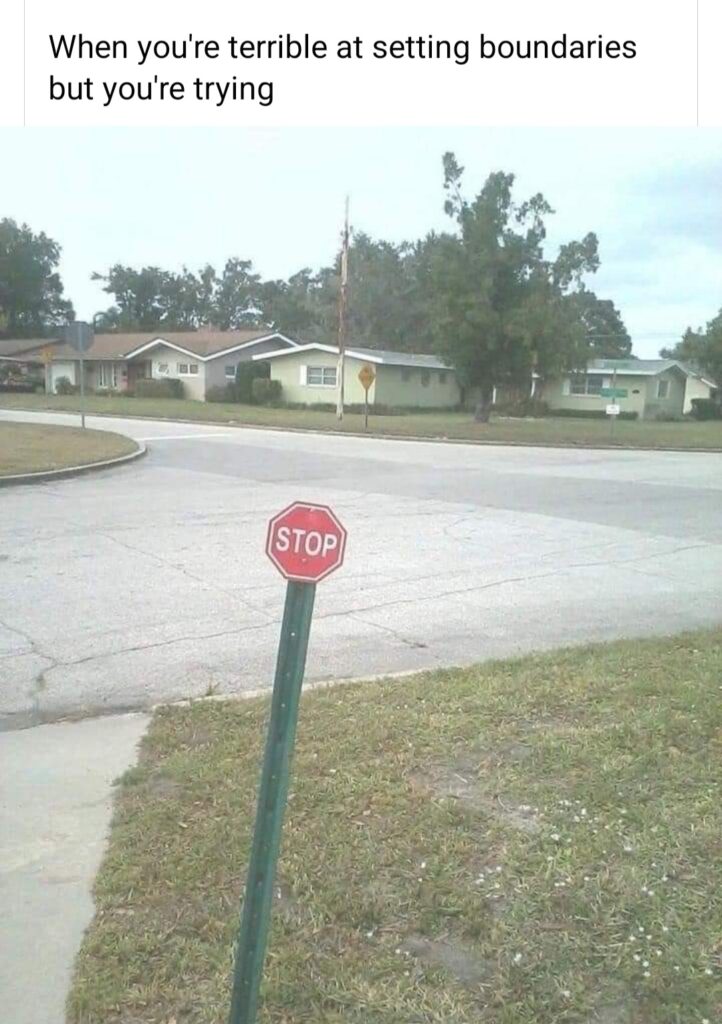
  • Why are Boundaries with your addict so important?

    If you throw a frog into a pot of boiling hot water, she will jump out straight away, but if you put her into a pot of water and slowly raise the temperature, she will stay in that water until she is cooked.

    That’s how I felt, cooked! During the many years of my loved one’s addiction my boundaries diminished into thin air, or perhaps I didn’t understand the concept of boundaries even before that?

    If you grew up in a home where no boundaries were set, or where people violated your boundaries, setting and maintaining boundaries might be difficult for you.

    Fawn is a trauma response, the least recognized one (we are aware of flight, fight, and freeze) Fawn is a trauma response that becomes a coping mechanism of avoiding conflict, people pleasing, making yourself uncomfortable for others to feel comfortable, having no boundaries, being overwhelmed and co-dependent, agreeing to things to just keep the peace, to establish some sense of safety.

    When we come from codependent dynamics, setting boundaries can feel confusing, terrifying, guilt ridden, and foreign, you just don’t know how to do it.

    Yet, having no boundaries with your addicted loved one sets the stage for disaster. To help yourself and your loved one ,you need to have boundaries, you need to understand practice and set very clear boundaries, for your safety, and ultimately for him/her as well.

    It is said that “if your addict is happy with you, you are helping him/her kill themselves, if your addict is angry with you, you are helping to save his/her life”.

    “Daring to set boundaries is about having the courage to love ourselves even when we risk disappointing others” – Brene Brown

    Boundaries are meant to protect us

    bounderies-2-2-1024x683-1495363

    Boundaries are part of self care, they are healthy, normal and necessary. They give us a sense of ourselves, defines our world, and keeps us safe.

    Boundaries are personal fences, they don’t have to be electric fences (but can be), they can also be a consistent light around you that announces: I deserve to be treated with respect.

    To keep people from coming into our personal space and taking advantage of us.

    To keep us from going into the space of others and taking advantage of them.

    To give each of us a way to represent our sense of who we are.

    Set boundaries for your own wellbeing, not to control others.

    How to set healthy boundaries

    Clearly identify your boundary, understand why you need that boundary.

    Think of what you do not want to see, hear, or do.

    Decide on limits – what you will and will not tolerate.

    Be straight forward and clear about what you want. Use a calm and polite tone.

    Don’t apologize or give explanations, NO is a full sentence, it’s ok to be assertive.

    Start with tighter boundaries (and then loosen up if appropriate).

    Address boundary violation early, decide on an action should they be violated.

    Expect resistance in the beginning and don’t let it deter you, remember that setting boundaries is an ongoing process.Boundaries include action

    Once you decide on your boundary, have an action planned, should it be violated, don’t choose something you will not be able to uphold, the action should be appropriate to the boundary that was broken.

    “If this continues, I won’t be spending time with you”

    “If you cannot respect what I’m asking, I will need space before we can continue this conversation”

    “I’m not going to listen to you if you speak to me like that”

    “If you continue to pressure me or attempt to guilt me, I am going to have to end this conversation”

    “If you use drugs again, I will not be able to let you stay

    “If you go out drinking, you can’t be in my space”

    “I will support you 100% in recovery but if you choose to continue abusing substances you can’t be here”

    Boundaries sound like:

    “I understand you are angry, but you do not speak to me that way”

    “I’m sorry, but I can’t help you this time”

    “I don’t feel safe, so I am going to leave”

    “I don’t give you permission to do…”

    “I would appreciate you not bringing this up anymore”

    “I am allowed to change my mind”

    “I won’t be able to make it”

    “I need time to think about this and I will get back to you later”

    “If you text me, I’ll text back at a time that works best for me”

    Signs that your boundaries are being violated

    When someone says something which goes beyond your comfort zone …

    You feel angry (especially if you don’t know why) or resentful

    You feel hot and flushed

    You feel overwhelmed, drained or smothered

    You get irritated by sound or movement

    Trust your intuition

    Setting boundaries is not selfish, it sets the tone for healthy relationships, it’s important for your wellbeing.

    Learn to trust yourself, to put your peace, comfort and sanity as your priority.

    If something feels wrong, it is wrong.

    If you are not sure, trust your intuition, your gut feelings will guide you.

    Always trust your gut. Your brain can be fooled, your heart is an idiot, but your gut doesn’t know how to lie.

  • There is always hope

    So often in addiction we lose hope that recovery is possible, every relapse feels like a failure, and we lose faith that things will ever change.

    “Why can’t you just change, just make a decision, you just need to STOP!” How many times have we heard that, said that, prayed for it, only to be crushed by disappointment, betrayal, and frustration.

    How do you keep on wishing and hoping for change when all around you things are falling apart and you seem so desperate?

    Here are five points to help you stay focused on hope and guide you to recovery.

    • Give credit for the small steps

    • Keep achievable, reasonable goals that can be managed

    • Understand the enormity of what you are facing

    • Be compassionate, and don’t judge so harshly

    • Don’t expect change in a short time

    Give credit for the small steps

    Looking towards the future without being able to drink and use any substance ever again is a very daunting thought. The enormity of it can become debilitating and scary. Keep in mind that it’s important to stay sober and do the right thing – just for today! Tomorrow will be another day, so just for today get up in the morning and make your bed it’s your first achievement of the day. Eat at regular times, look after yourself and care about your appearance and surroundings. All those small things did not matter during active addiction, give yourself credit for the change you are making already.

    Keep achievable, reasonable goals that can be managed

    In the first few weeks of sobriety most people feel they need to “catch up” and fix all the damage that was done while in active addiction and no not waste any more time, however this could lead to disappointment and burn out.

    Keep your goals simple and achievable. Rather give yourself time and prepare for the long road. This is not a sprint, it’s a marathon.

    Understand the enormity of what you are facing

    Recovery is not for the faint hearted, its hard work, on a daily basis.

    Imagine getting into the boxing ring with a world champion, only that your hands are tied behind your back, and you have a blind fold on. It is that difficult, dangerous and at times, it might feel hopeless. Take a deep breath. You don’t need to do this alone. There is support out there for you, trust that you can reach out and accept help.

    Be compassionate, and don’t judge so harshly

    Not every day is going to be a good day, and that’s ok. When you are struggling, try and avoid the harsh inner talk, remember you are your biggest judge, think how you would support your best friend if they were having a tough day, and practice that compassion towards yourself. Everyone messes up sometimes, but keep in mind its not how you fall, its how you get up, dust yourself, and stand tall in the face of adversity, you can do this!

    Don’t expect change in a short time

    Allow yourself the time to recover slowly, without rushing the process, you have probably been in active addiction for years, so give yourself the time to heal and recuperate, don’t expect it to happen instantly. Recovery takes time, there is no quick fix or miraculous solution. This is the long road, and like preparing for a marathon you will need to practice; train yourself mentally, physically, and spiritually, for that journey.