Skip to content

Intakes available 24/7 · +27 79 465 4556

Author: Journey_Joburg

  • Shame and guilt in addiction

    People who are addicted to substances or certain behaviors suffer from terrible shame and guilt.

    Shame and guilt from the way they behave, the damage and pain they inflict on their families and the people who love them, wanting and wishing that they could “just stop” and not being able to mange to do exactly that. It can take years before they can admit to themselves and others how “defective” they are, not being able to drink like normal people do, and stop before it’s too late.

    The shame and guilt fuels the addiction, its like a vicious cycle that cannot stop, the more guilty they feel, the more substances they will consume to try and block those feelings – which only continues the sequence of abusing themselves and others.

    Core beliefs
    mick-haupt-rfvceqicqua-unsplash-683x1024-6560603

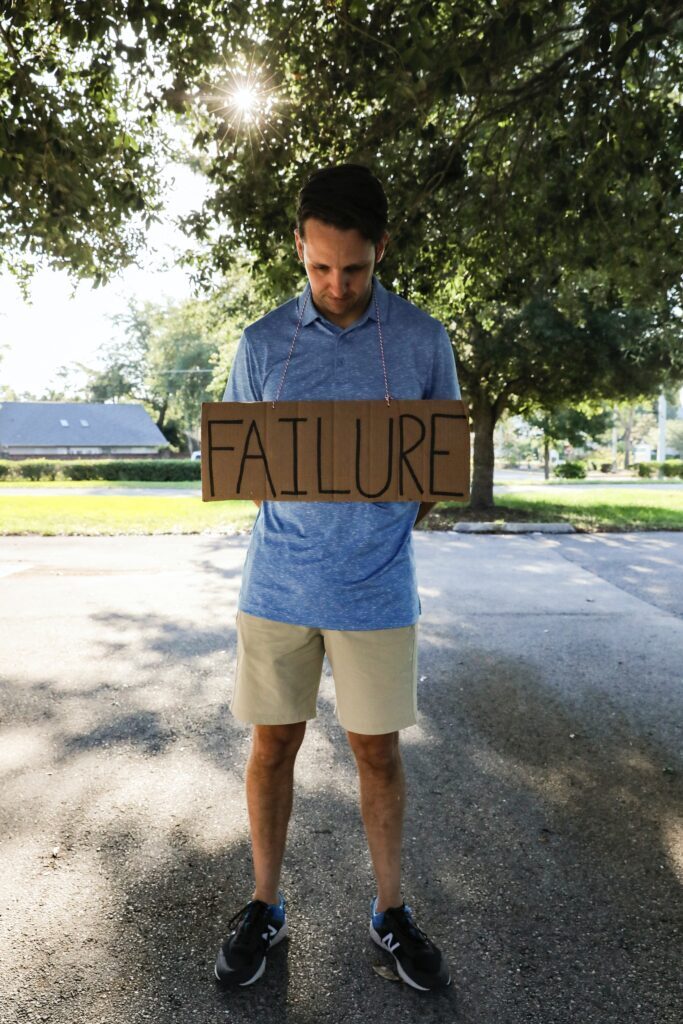
    For most addicts the idea of shame and guilt is a familiar feeling that did not start with addiction, they are the most destructive core beliefs that began in childhood. Shame is learnt in childhood when we are told “you should be better than this”, “why can’t you do better at school?”, “why can’t you behave as well as…”. When minor mistakes are treated like felonies, when we learn that to be loved you need to be “perfect”, otherwise love will be withheld from you, your shame grows in the darkness. A child cannot understand that no one is perfect, they interpret those messages as being abandoned, unworthy of love. It might not be reality, but to a child it can feel very real. It becomes so imbedded in the way they view themselves.

    Seeing yourself as unworthy

    pexels-polina-zimmerman-3958779-683x1024-2820318

    Feeling of shame and guilt begin with believing you are unworthy. Unworthy of care, unworthy of happiness or success, unworthy of being loved. If you don’t see yourself as worthy of those basic needs, when you do receive them, you might feel like a “cheat”, you could end up creating the experience that will destroy what you believe you don’t deserve. Your distorted self-esteem will excuse and remind you, “yes, I was right, I do not deserve to be loved because I am no good.” And if you believe you are so bad, you can’t consider the possibility that you can change.

    The difference between shame and guilt
    pexels-inzmam-khan-1134204-1024x705-2089033

    Shame and guilt are not the same emotions.

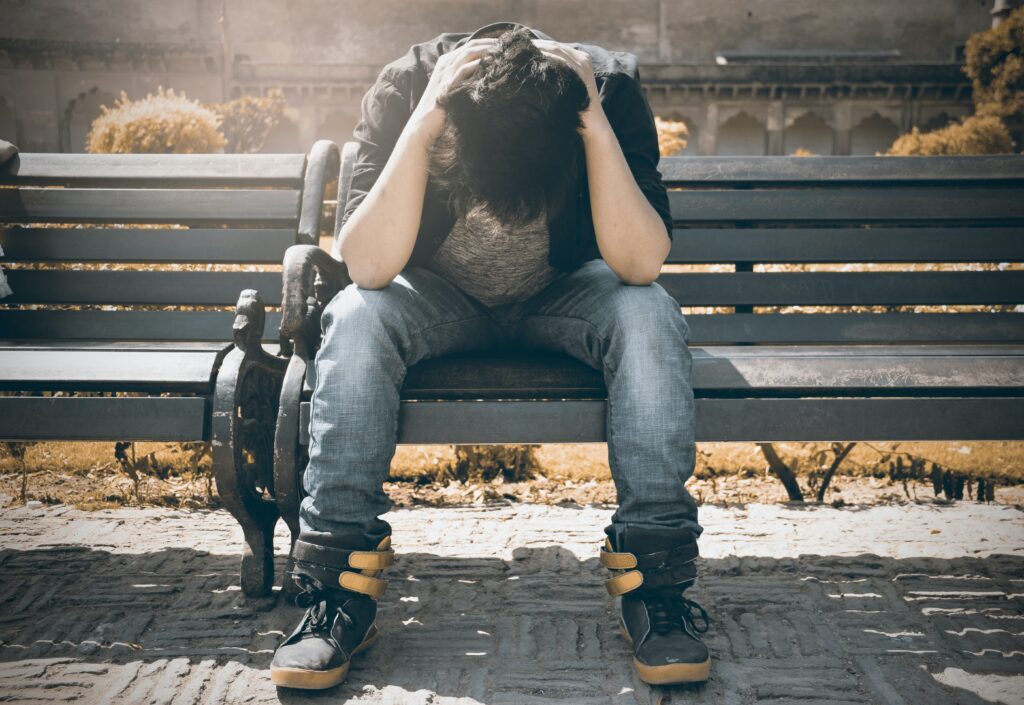
    Shame is primal, an old belief about oneself, like a chameleon it can manifest as rage, fears, controlling behavior, depression, or feeling numb. Shame is about the self; “if they will know how I feel, they will know how defective I am, I must hide that part of me”. Shame is your distorted self-esteem, a space where you feel trapped.

    Guilt is connected to action, we feel guilty when we do something we know is wrong, when we break specific rules or morals. When we abuse substances and hurt our loved one. Guilt is about an action you do and not about you.

    In recovery we learn that we have options, we can take responsibility for those choices.

    “Shame dies when stories are told in a safe place” – Ann Voskamp

    The very nature of shame is to protect itself from exposure, opening up and sharing your feelings can feel impossible and threatening, making one feel vulnerable and out of control,  naturally one will want to stay loyal to that emotion, it kept you safe and helped you survive, but true healing comes when we allow ourself to share our deepest secrets, our shame, and accept ourselves for who we are, for not being perfect. Learning our true worth, challenging our self-beliefs, growing to trust and believe in our goodness and our ability to change.

    In recovery we gain a sense of wellbeing that we might have never experienced before, a serenity and self-acceptance.
    felipepelaquim-buku-vhzw-s-unsplash-1024x576-9406492

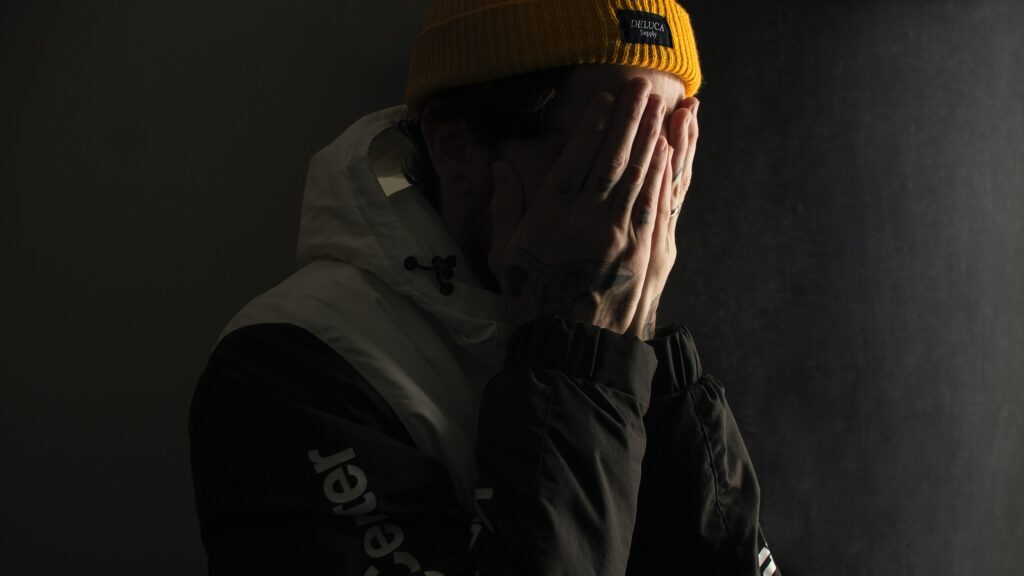
    Be gentle with yourself, when making a mistake, take responsibility for your actions, become accountable and practice being kind to yourself, let go of the brutal perfectionism and allow serenity, peace, and healing into your life.
  • Recovery – walking a tight rope

    Every addiction arises from an unconscious refusal to face and move through your own pain. Every addiction starts with pain and ends with pain. Whatever the substance you are addicted to alcohol, food, legal or illegal drugs, or a person you are using something or somebody to cover up your own pain. – Eckhart /Tolle

    A person reflecting during recovery

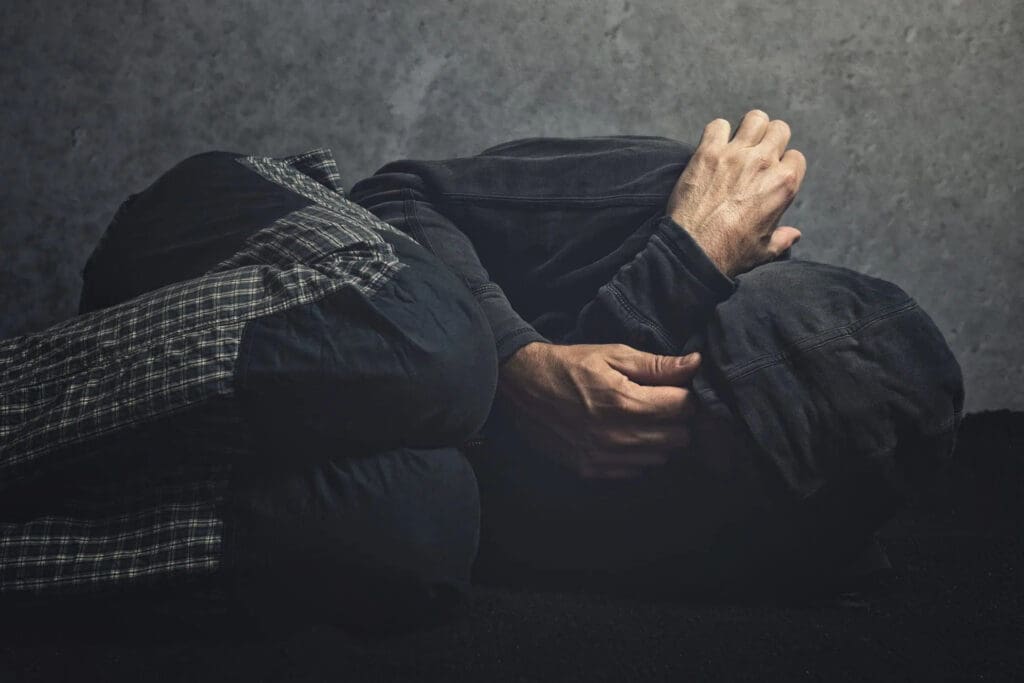
    Ironically, when we begin to heal, we also start to feel sad and devastated – because we recognize how much we’ve lost, how badly certain people have failed us, what the younger version of us needed and actually deserved. Healing involves healthy grieving, no way around it.

    We also start feeling the devastation of the consequences of our actions while intoxicated, the damage we have created and the pain we inflicted on the people around us, especially the people we love, it is impossible to overlook or avoid that. Healing is not going to feel magical or beautiful. Real healing is hard, challenging, and exhausting at times. Don’t try and make it into anything other than what it is. Be there for yourself with compassion and without judgment. And allow yourself some grace.

    Recovery can feel like walking a tight rope, with every step that you take the rope will start to swing from side to side with the change, let it settle before you take the next step.

    You’re in rehab, the rope is swinging, calm yourself, take a deep breath, it’s a long road. You finished the program, and you are moving back home or to a halfway house, it’s a big step, the rope is swinging again, quiet your nerves, take your time, let the rope rest before the next step.

    Don’t hurry trying to “sort out” your life, there might be lots that needs to be fixed and mended, but it can’t all happen right now. Relationships will take time to heal, financial issues will need to be resolved slowly over time, don’t rush – you are going to crash. Remember it’s a tight rope and its swinging.

    Support during the recovery journey

    Small steps will get you there, the miracle of recovery will bring all of it back and more than you have ever expected, but on its own timeline, not yours. Just stay sober!

  • Letter from an addict – alcoholic

    I’m an adult addict/alcoholic, I need your help.

    DON’T lecture, blame, or scold me. You wouldn’t be angry with me for having T.B or diabetes. Addiction and alcoholism is a disease too.

    DON’T throw away my drugs and alcohol, it’s just a waste because I can always get more.

    DON’T let me provoke your anger. If you attack me verbally or physically, you only confirm my bad opinion of myself, I hate myself enough already.

    DON’T be inconsistent and make empty threats. Once you have made a decision, stick to it.

    DON’T believe everything I tell you; it may be a lie. Denial of reality is a symptom of my disease. Moreover, I’m likely to lose respect for those I can fool too easily.

    DON’T let me take advantage of you or exploit you. Love cannot exist for long without the dimension of justice.

    DON’T cover up for me or try in any way to avoid the consequences of my choices.

    DON’T meet all my obligations. It may avert or reduce the very crisis that would prompt me to confront my issues. I can continue to deny my issues as long as you provide an automatic escape from the consequences of my choices.

  • Court orders – life savers

    For years the belief that addicts must “want” to go into treatment held me captive. My husband refused. I felt helpless. I tried crying, begging, keeping silent or screaming at the top of my lungs, nothing I did changed his resolve, he simply refused.

    johnny-cohen-o5bot9dytg0-unsplash-768x1024-8101592

    I was told that I need to wait for him to “hit rock bottom”, but he never did. Every time another terrible incident happened, I thought that has got to be his rock bottom; he barely survived this car crash, this time when he got arrested, he spent a few days in jail, this physical fight got him admitted to hospital, but none of these prove to get him any closer to that elusive “rock bottom” or to changing his mind about going to treatment.

    I wasn’t aware at the time that there was another solution, I could have approached the courts to do what at the time I thought was impossible, and that is to make him go for treatment. I did not have to wait for him to make that decision, a court order would have given him no other choice. I can’t help thinking how many years of suffering I could have been prevented had I known this at the time.

    pexels-lilartsy-6228273-683x1024-3421777

    It’s important to know People who suffer with substance abuse disorder often resist treatment because either they don’t believe they deserve help or that treatment can benefit them, and whilst intoxicated their brain is damaged, its structural function and decision making does not work as it should, it’s not that they are bad or useless or just want to hurt their families and themselves.

    pexels-andrea-piacquadio-3760137-1024x659-2144482

    An involuntary committal or a section 33 is a South African law that allows for a person that has a substance abuse disorder to be committed and treated involuntarily at a rehabilitation facility. The act aims at helping families get their loved one into treatment, not to punish them, but to save them.

    Often there is a crisis that motivates the family to act, it might be a potential overdose, the person has harmed themselves or others physically, emotionally or financially and neglected themselves or their family. It must be directly relating to substance abuse and must be a current or imminent threat.

    It is important to know that a court order is neither a criminal matter nor a civil matter, but a family matter and it means the person suffering from substance abuse disorder will not have a criminal record. It’s more of a management tool.

    How to go about it? To get a court order you need to approach a social worker who specializes in that field. She will conduct an interview with the family to get the background history from the person who is applying for the order (the Applicant) about the person with the substance use disorder (the Respondent).

    The social worker will need information about the history of the person and the progress of the substance abuse, incidences that happened and why the applicant (person applying for the order) feels that the respondent (the substance abuser) is a threat to himself or others and cannot be left to their own devices. It is important to be truthful and not protect or hide the severity of the problem as you have already taken this step, now you need to do your best to save your loved one.

    absolutvision-82tpeld0_e4-unsplash-1024x683-2878726

    The process to get the court order It is important that the family give a very detailed report so the social worker can compile a comprehensive report for the court. She will present the family with court documents and an affidavit that will need to be completed and commissioned at the nearest SAPS. She will then approach the court with the matter for screening.

    A summons will be issued against the substance abuser and if necessary, an application for warrant of arrest can be issued if the respondent (the substance abuser) refuses to appear in court.

    pexels-ekaterina-bolovtsova-6077326-1024x683-1931325

    In Court In court the Respondent will be read his/her rights, the respondent has the right to legal representation, and if the court finds that the person cannot afford a lawyer, the court can appoint one, or he/she can conduct their own defence (speak for themselves). The substance abuser can explain to the magistrate why he/she should not be committed to treatment. The magistrate may request a medical report or a psychiatric evaluation. The family member as the Applicant will have to be present in court when the inquiry is held. That is the difficult part. Part of the process is that the family may need to testify about their loved one, that can be quite distressing, keep reminding yourself that you are doing this to save the person you love, as right now, he cannot save him/herself. The judge will decide if there is clear and convincing evidence that the person has a substance abuse disorder and if there is a concern of harm to themselves or others. If both criteria are met, the person will be committed involuntarily.

    What’s next? Families are often afraid of the anger and resentment or the grudge the person will hold against them, and it might be so at the beginning of the process. Most substance abusers don’t even realize the extent of their condition and only after detox, when reality slowly returns, and their denial is shifted, can they start to honestly look at their lives and the choices that got them into that situation. Most often in recovery they feel gratitude for the person who saved them from themselves and got them help for their addiction. The court order will last for 12 months.

    If you are struggling with a person with substance abuse disorder who refuses to go into treatment, please call Journey Recovery and Wellness Centre, we have a social worker that can assist you with the proceedings and get you the help you need.

  • Building Relationships and Connections

    This end of year holiday period often makes me wonder how some of my interpersonal relationships have gotten to where they are. I didn’t always dislike this many family members did I? Have they always disliked me? A quick disclaimer before we jump right into this, this article suggests that you take responsibility for your half of a given relationship and not that you should bend over backwards when your efforts are not reciprocated. Also, the concepts explored below are all inter-connected and their development does not necessarily happen sequentially as listed below. Let’s explore some of the cornerstones of healthy relationships and deep connection.

    Honesty

    This is the most sound foundational attribute of any relationship. Without honesty, participating parties cannot truly know what the other party expects and wants, or how they feel. If this is missing from a relationship, understanding one another becomes infinitely more difficult. I can think of countless situations where honesty, and subsequently greater understanding, would have made my life much easier. Honesty also offers us the gift of freedom. Not being honest is so exhausting. Concealing the truth requires such careful planning and extreme vigilance that in retrospect I almost always regret not being honest in the first place. A personal example of this is how I have to continually wear long pants whenever I see my dad and his side of the family. Why? I have leg tattoos. Would it not be easier to just reveal the fact that I have ink on my legs instead of just passing on beach holidays? Certainly! Am I likely to wear shorts the next time I visit? Doubtful. The point I am trying to make here is that we have to accept the consequences of our actions. If a certain relationship in your life isn’t where you want it to be, revisit your actions before blaming the other person. Lastly, honesty leads to one of the most important aspects of any healthy relationship, trust.

    Trust

    Once trust is present between two people, they both become far more likely to be themselves. Knowing that you can be open and honest in front of someone is a great feeling and a great reason to keep developing a relationship with that individual. Trust also comes in handy when adversity must be faced jointly. Facing an external problem with someone that you trust and can rely on is much more effective than facing it in a shaky relationship. The latter means that along with the stress of facing an external problem, you will also be dealing with the stress of potential inter-relationship issues with the relevant party. Once trust is established in a relationship, the way is paved for respect.

    Respect

    Respect means that two parties can accept the differences between one another and even appreciate them. Respect means believing that the other party deserves a certain standard of treatment. This can be quite difficult to grasp and come to terms with as respecting someone implies that you accept responsibility (at some level) for their emotions and well-being. Furthermore, respect is a great asset to have when it comes to conflict resolution.

    I’d love to hear your thoughts on this crash course and maybe your own anecdotal experiences in interpersonal relationships. Please feel free to comment below so that we can be in touch!

  • How to speak to my addict about going to rehab?

    Can you feel in your gut that something is wrong?

    Have you been playing the detective, trying to find signs, to prove your suspicions?

    Perhaps you been running the conversation in your head over and over thinking how to approach the subject? How to get the help so desperately needed?

    The family members are often the first to know and recognize that something is wrong, that the situation is dire, and that professional help is needed.

    Here are a few tips on how to speak to your addict about going to rehab.

    Change the narrative

    There is so much stigma around addiction and rehabilitation centres and preconceived ideas. In simple, addiction is the desire to disconnect and rehabilitation is merely the process of restoration and connection.  If you go into the conversation with this in mind, it eases the anxiety and fear around the addict stepping into his journey of recovery.

    Have the conversation when you are calm

    You will have more control and power over the situation if you are not shouting in anger and frustration. Rather be prepared with information and share your knowledge about the options available when you have this conversation.

    how-to-speak-to-my-addict-1-1-683x1024-4768936

    Speak Without judgment or blame

    Try not to accuse, blame, or shame.

    Voice your fears over what you can see is happening, give examples of what behaviors are troubling you. Acknowledge the distress the person is experiencing and be supportive, reassuring, yet determined.

    Speak about how YOU are feeling

    Explain how the behavior you are noticing is making you feel.

    When you (use substances, drink, miss work/studies/family functions) I feel (worried, frustrated, hurt, scared)

    how-to-speak-to-my-addict-3-1-1024x683-8456800

    Be there for the healing process

    Everyone needs to feel connected, leaving your family and home is a scary process for a person who is riddled with shame and guilt. Knowing that you are not going to be “dropped off and forgotten about” is a comfort for someone who doesn’t believe they deserve it after everything they put you through.

    Stick to your boundaries

    Make your boundaries clear and manageable, don’t threaten with a consequence you won’t be able to follow.

    We suggest you encourage and support the recovery journey, but if the choice is not to get help, stop supporting financially, emotionally or in any other way. The message and your boundaries need to be clear; I will be here for recovery; I won’t participate in any way while substances are being used.

    how-to-speak-to-my-addict-2-1-839x1024-6499196

    Be a united front

    Speak to all family members beforehand so you are unified in the decision and boundaries you set. Don’t allow any manipulation to split you up or play you against each other. Preferably have this conversion with all family members present so you can support each other and be united in your message and there will be no need to repeat what was said and discussed.

  • Domestic Violence and Addiction

    This Wednesday, the world commemorates the UN Day for the Elimination of Violence against Women. As such, we thought it fitting to bring your awareness to the high rates of domestic violence within South Africa. This, coupled with South Africa’s high addiction rates, can lead to miserable and nasty outcomes. Domestic violence occurs in many forms which can range from physical abuse, violence, intimidation, verbal abuse to sexual harassment and abuse. This usually occurs between partners or family members, within a household. Domestic violence does not always have to be perceivably aggressive; manipulation and emotional blackmail also form part of this abuse.

    The perpetrators of domestic violence are usually family members that have issues with control and power. Substance consumption and abuse exacerbate these issues. According to the World Health Organisation over 30% of women who have been in a relationship state, they have suffered from some form of physical and/or sexual abuse. These figures are even more alarming when one considers that many women do not speak about the abuse they have faced. Psychological blackmail causes many women into thinking that men have the right to demand sex when, in fact, that is rape. Women are also perpetrators of domestic violence and abuse. Children are often the victims of the abuse carried out by women. Abuse in the home can take on many forms, and the presence of substances only make this more troublesome.

    These issues are often intertwined with substance abuse. Again, according to the WHO, around 50% of men accused of killing their spouses were drunk when they committed the crime. The reason for this could be that substances promote loss of control and decreased rational thought and logic.

    When an individual is on a substance, they tend to be reactive with minimal provocation, as opposed to when they are sober. This can often be marked by periods of remorse when the abuser promises never to hurt the victim again. Abuse and addiction have a lot in common. Once the alcohol wears off ,the violence and anger may decrease. Still, like addiction, the impulse to abuse and control returns, and the toxic cycle continues.

    When substance abuse enters into the home dynamic, it puts a strain on all the relationships within the family. Co-dependency, lies, cheating and abuse enter into the house and create tension between spouses and children. Substances cause violence, anger and irritability, and if you are abusing drugs and alcohol, you are putting your family at physical and psychological risk.

    Often there is a “code of silence” in a home marred with addiction and domestic abuse. The victims are either too scared to speak out or are shamed into keeping silent. There is more danger in keeping quiet than there is in speaking to someone about these issues. It can be someone close to you that you trust or a professional body. If domestic abuse is left unchecked and is not dealt with the victims in the home can suffer from long-term adverse effects.

    Trauma and past experiences also have a lot to do with domestic violence and addiction. For many addicts, domestic abuse is something which they are familiar with.

    Many addicts have been victims of domestic abuse themselves or any other forms of abuse for that matter. It is often behaviour that is learned over the decades, that does not get resolved. Other co-occurring illnesses such as anxiety, depression and schizophrenia that have not been managed or treated can also worsen the violent or abusive tendencies present in a person.

    The longer one goes without addressing their experience of violence or trauma, the worse the effects of this will become. Abuse is a sign of weakness, fear and insecurity. At Journey we create a safe space for people who have suffered from trauma and as a result have moved further into the grips of addiction. We see the way out, and we want to walk that journey with you.

    We believe that getting to the root cause of addiction and living a life of sobriety will bring about positive change within family dynamics. Contact us for more information on how we can help you or your loved one onto the path of sobriety and onto their next, beautiful journey.

  • Coping Skills That Turn Against Me

    From a young age we all find ways to help us cope in a world that can be frightening, painful and at times traumatic.

    When we are not taught at a young age how to soothe our fears, pain, or anger. We find other ways to cope with those challenging times in life, most of us have developed ways that helped us to survive, only to find that in adulthood; those same coping skills that have protected us, have turned on us, and are now holding us prisoners.

    You might relate and notice that you have some of these coping skills:

    • Disconnection – Addiction
    • Denial
    • Shopping excessively
    • Over-working
    • Isolating
    • Eating disorders

    Disconnection can start at a very young age, if you are distressed as a baby, or a young child, there is no escape on offer – other than escaping yourself. In the disconnect, we find peace from hurt. Later in life when we are introduced to alcohol or drugs, the Disconnection is made so much easier, it can become instant. It’s a familiar and “safe” place that we know so well. We feel at home here. In the beginning, substances are the answer to that unresolves pain, rejection and hurt, but puts us into our prison once the addiction takes hold.

    Denial, like the Disconnection, is a place of safety. In that space we can protect ourselves from the painful reality and live in our pretend safe space, where’s all around us, havoc can run riot, but we fail to look at reality for what it is.

    Shopping excessively can give us an instant high, a feeling of power and achievement, the illusion of “filling” a deep hole inside us, only to find that the buzz is short lived. The emptiness persists despite the purchases we hold in our hands and the sensation of emptiness returns.

    Over-working, being super active all the time is a trauma response. Working like crazy can make us feel good, important, and valuable. We can achieve high goals and it keeps us distracted from the emptiness we feel inside.

    Isolation can feel safe, there is no one to judge us, no one we need to pretend to and the “pressure is off”. This too can feel like a safe space, but again, the loneliness is holding you imprisoned in your isolation.

    Eating disorders can manifest when all around us, nothing is in our control and the only thing, we can control is our selves and our body. The control we gain over our body creates the deception of control over our life and surrounding, but in reality, we self-distract, punishing ourselves and our bodies.

    Once we become aware that these are the coping skills that we have been using our whole lives, now what? Firstly, don’t become angry or frustrated with yourself. You have been doing this to protect yourself, regardless to if you understood it or not. In fact, you should thank your coping skill, it has helped you survive. Becoming aware has already given you the opportunity to change, to challenge your actions and to try new approaches.

  • Relationships in Early Recovery

    To call my first (and only) time in treatment an eye-opener would be an understatement. As a sheltered and privileged person with a private school background, the stories I heard in group shocked me, while the warnings of counsellors scared me.

    However, what terrified me the most in treatment was being told that I should stay out of a romantic relationship for an entire year (at the very least)! I was initially mortified. What on Earth does my relationship status have to do with my recovery? How am I going to survive being all alone for an entire year?

    The second question here holds the answer to the first. What drove my self-destructive behaviour in the first place was my reliance on externally-sourced solutions to my internal problems. Can’t sleep? Pop a pill. Can’t study? Have a line. Don’t have the will or perseverance to implement real self-improvement and growth? Enter into a relationship where my partner will accept me no matter how stagnant and self-destructive I am.

    There it is. The risk associated with entering into a relationship in early recovery.

    delicate

    This is not to say that all relationships that are started in early recovery fit into the above description. I am also not saying that all relationships where 30 day fitness or reading challenges are not present are inherently enabling or subpar. I am fundamentally opposed to absolutes.

    The key thing to note, when dealing with relationships in early recovery, is that recovery is an extremely delicate process. A healthy functioning relationship takes hard work and commitment. It requires both parties to proverbially “fill each other’s’ cup”. Can a recovering addict afford to accept the responsibility of another’s wellbeing while attempting to heal years of self-mistreatment and neglect? The answer will be different for each unique case but I can imagine that such a task has the propensity to derail even the sturdiest of recovery plans. How will the patient handle a partner who cheats or lies? How will the patient take a breakup?

    I know that thus far I have posed a lot of questions and the answer to these questions will vary greatly. However, what I can offer the reader is my personal experience and some general ideas and intuition that I have around this topic. I entered into a relationship with my current romantic partner 16 months into my journey of recovery. Did I purposefully wait the prescribed 12 month period until entering into a relationship? No. Were there periods where I desperately longed for someone to offset the loneliness? Yes. I think that the less frequently I experienced this desire, the more ready I was for a healthy and long-lasting relationship. Had I succumbed to entering into a relationship simply for the purposes of company and sexual gratification, I would risk repeating past mistakes. Such a relationship would be born of selfishness and a lack of substance. The less one longs for a relationship for the sake of relationship, the more comfortable they are with themselves. The more comfortable someone is with themselves, the more they can give of themselves.

    Through our addictions we lose sight of who we actually are. How can we hope to enter into a relationship when we don’t even know who we are or what we want? If we become involved with someone before we have a better idea of this, we run the risk of prioritising knowing our partner and what they want over our own self-knowledge.

    Should such a relationship continue for a long period of time, the partner lacking in self-awareness might completely lose their sense of self and live their life entirely for their partner. One might argue that such an arrangement is better than suffering in the abyss of active addiction and I would agree with that, but what happens if the partner in question leaves or (God forbid) passes away? Will that not send the recovering addict straight back into the throes of addiction?

    In conclusion, I don’t think a simple yes or no answer would be sufficient in answering whether one can enter into a relationship in early recovery. It will depend on the individual involved, their progress and the partner that they choose to engage with. However, I do think that the more time an individual has had to heal and to regain some semblance of self-awareness, the better their chances of securing and maintaining a healthy and productive relationship.

  • The Worst New Year’s Resolutions in Recovery

    If you’re wondering why this week’s blog post is not about how to spend New Year’s Eve (NYE) sober or how to survive such a party without relapsing, it’s because you’ve missed out! Check out our two blogs from earlier this month to find our tips and tricks for getting through any occasion without compromising on your sobriety.

    5 Tips for Staying Sober at Your Year-End Party.

    5 Tips for Surviving the Holidays Sober.

    This week, however, we dive into the annual frenzy surrounding New Year’s Resolutions. I suspect that due to the nature of 2022, the resolutions for 2023 are going to be particularly prone to failure. Not only are these resolutions notoriously unreliable (according to some estimates around 90% of them fail), but for those with addiction problems they can be outright dangerous. Here are some of the resolutions that are most likely to cause us recovering addicts the most angst.

    I am going to get clean this year!

    A noble resolution indeed but one laden with numerous problems. Should you relapse, are you going to postpone your sobriety to 2023? If you make it through the year sober, can you use in 2023? In active addiction, I would be salivating at the thought of parading this statement to the world! Why? Because it’s layered with so many opportunities to continue using. If I slip up in March, I have 9 months of using until “I am finally going to get it right.” Since this intention is only for 2023, I can get really intoxicated on NYE as my last hoorah! If one is serious about recovery and wants to give themselves the best possibility of success, start now. Don’t wait until 1 January 2023. You deserve sobriety, and all of the wonderful possibilities it brings, right at this moment. We don’t need events that are significant to the rest of the world to enact significant change in our own lives. We are significant enough. I am not saying that aiming to be clean throughout next year is unattainable or silly, I am saying that a commitment to recovery is a lifelong commitment! With this in mind, some might ask the following question: “A lifelong commitment is so intimidating, why can’t I break it into smaller chunks starting with an annual period?” My response to this question is that if long periods of time are intimidating to you, why start with a commitment period of an entire year?! Why don’t you start with today or tomorrow?

    I am going to cut down on…

    Whether it’s cutting down on sugar, cigarettes or binge-watching Friends (in my defence, I’ve never claimed to seriously try to cut down on Friends), this resolution is wrought with dangers. Firstly, if you really want to reduce your intake or participation in something, why not quantify that reduction? If you want to fool yourself and others, at least do it with conviction! Repeat after me, “I am not going to watch the entirety of Friends twice in 2021!” Oh wait, that sounds awfully similar to the first resolution. I know that as a recovering addict, making a commitment to cut down on something is short-lived. If only I could’ve just cut-down on my drinking. Again, wanting to eat healthier, stop smoking or have a more productive relationship with entertainment are not problematic goals in and of themselves. Sadly, it just isn’t enough to vehemently claim that we are going to achieve these things, as we so often do every December. If we really want to achieve these things, we need to put in place a proper game plan. If necessary, we need to seek out the help of professionals. Small, consistent efforts over a long period of time will give us better results than a giant impetus in the early part of the year.

    motoki-tonn-x00q3rxcyz4-unsplash-757x1024-8878653

    While this blog has been light-hearted, I would like to adopt a more serious tone to conclude. I would sincerely like to wish all of you, on behalf of The Journey Team, a peaceful close to a tough year. 2022 has taught us so much about ourselves and others. I know that your commitment to improve, grow and succeed in 2023 is genuine and I know that you can achieve the goals that you have set out. You are deserving of it. Don’t compromise on your dedication to yourself and remain consistent and 2023 will finally be “this year.